The real cost of maintaining a private swimming pool: Chemicals, pumps, and cleaning services guide
The Real Cost of Maintaining a Private Swimming Pool: Chemicals, Pumps, and Cleaning Services Guide
Owning a private swimming pool is a dream for many homeowners, offering a refreshing escape during hot summer months and a perfect venue for family gatherings. However, the initial installation cost is just the beginning. Understanding the ongoing maintenance expenses is crucial for anyone considering pool ownership or looking to budget more effectively for their existing pool.
Chemical Costs: The Foundation of Pool Maintenance
Pool chemicals are non-negotiable when it comes to maintaining safe, clean water. The average pool owner can expect to spend between $500 to $1,800 annually on chemicals, depending on pool size, usage, and climate.
Essential Chemical Categories
Chlorine remains the primary sanitizer for most pools, costing approximately $300-$600 per year. You'll need to maintain chlorine levels between 1-3 ppm (parts per million) for optimal sanitation. Alternatives like bromine or salt systems may alter these costs but serve the same purpose.
pH balancers including pH increasers (soda ash) and pH decreasers (muriatic acid) typically run $100-$200 annually. Maintaining proper pH levels between 7.2 and 7.8 protects both swimmers and pool equipment.
Alkalinity and calcium hardness adjusters prevent corrosion and scaling, adding another $100-$150 to your yearly budget. Algaecides and shock treatments for periodic deep cleaning contribute an additional $150-$300 annually.
Pump and Equipment Costs: The Heart of Your Pool
The pool pump is arguably the most important piece of equipment, circulating water through the filtration system. Understanding these costs helps prevent surprise expenses.
Energy Consumption
Pool pumps typically run 8-12 hours daily during swimming season, consuming significant electricity. A standard single-speed pump uses approximately 2,500 watts, resulting in $600-$1,200 annually in electricity costs depending on local rates and usage patterns.
Variable-speed pumps, while more expensive initially ($800-$1,500), can reduce energy costs by 50-75%, potentially saving $300-$900 per year. These pumps often pay for themselves within 2-3 years through energy savings.
Equipment Replacement and Repairs
Pool equipment doesn't last forever. Budget for these eventual replacements:
- Pump replacement: Every 8-12 years ($400-$1,500)
- Filter replacement: Every 3-7 years depending on type ($200-$1,000)
- Heater replacement: Every 10-15 years ($2,000-$5,000)
- Automatic pool cleaner: Every 5-8 years ($300-$1,500)
Annual maintenance and minor repairs typically add another $200-$500 to your budget for items like gaskets, O-rings, and routine servicing.
Professional Cleaning Services: Time vs. Money
Many pool owners eventually opt for professional maintenance services, trading time for convenience and expertise.
Service Tiers and Pricing
Basic weekly service typically includes skimming debris, vacuuming, brushing walls, emptying baskets, and testing water chemistry. Expect to pay $80-$150 per visit, or roughly $320-$600 monthly during peak season.
Full-service maintenance adds chemical balancing and minor equipment checks, ranging from $125-$250 per visit. Annual contracts often provide 10-15% discounts and may include opening and closing services.
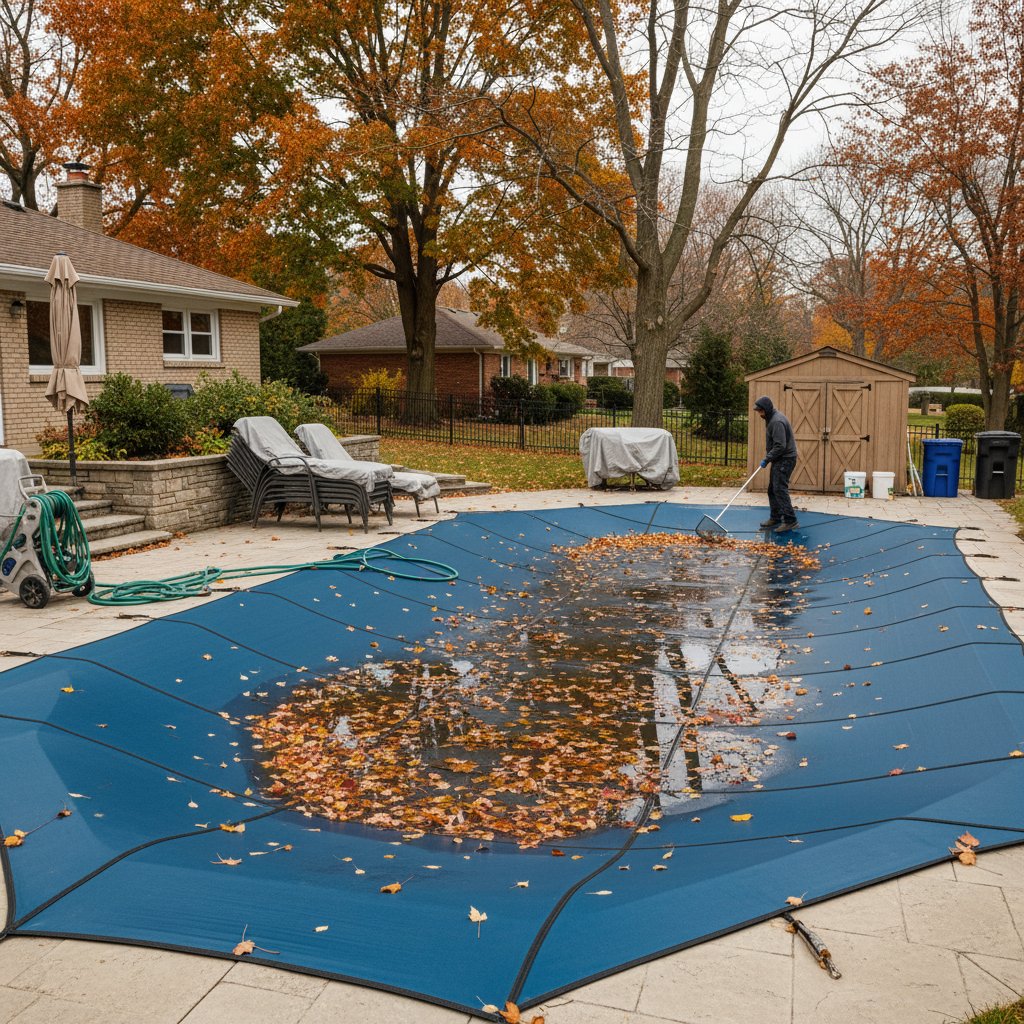
Seasonal services for pool opening (spring) and closing (fall) cost $200-$500 each, depending on your climate and pool complexity.
DIY vs. Professional Maintenance
DIY maintenance requires a significant time investment—typically 3-5 hours weekly—but saves $3,000-$6,000 annually in service fees. However, professional services offer expertise that can prevent costly mistakes and extend equipment life.
Additional Ongoing Costs
Beyond the major categories, consider these often-overlooked expenses:
Water costs for evaporation replacement and backwashing average $30-$100 monthly during summer. Testing supplies including test strips or liquid kits add $50-$150 yearly. Accessories and replacement parts like pool nets, brushes, and hoses contribute another $100-$300 annually.
Total Annual Cost Breakdown
For a typical residential pool (15,000-20,000 gallons), expect these annual costs:
- DIY maintenance: $2,500-$4,500
- Professional maintenance: $5,000-$8,500
These figures include chemicals, energy, water, routine maintenance, and amortized equipment replacement costs.
Cost-Saving Strategies
Smart pool owners can reduce expenses without sacrificing water quality. Install a pool cover to reduce evaporation and chemical usage by up to 50%. Upgrade to LED pool lighting and variable-speed pumps for energy savings. Buy chemicals in bulk during off-season sales, and maintain consistent water chemistry to prevent costly correction treatments.
Regular preventive maintenance extends equipment life significantly. Clean filters regularly, maintain proper water balance, and address small issues before they become expensive repairs.
Conclusion
While pool ownership involves substantial ongoing costs, understanding these expenses allows for better budgeting and decision-making. Whether you choose DIY maintenance or professional services, the key is consistent care that protects your investment while ensuring safe, enjoyable swimming. With proper planning and maintenance, your pool can provide years of enjoyment without breaking the bank.