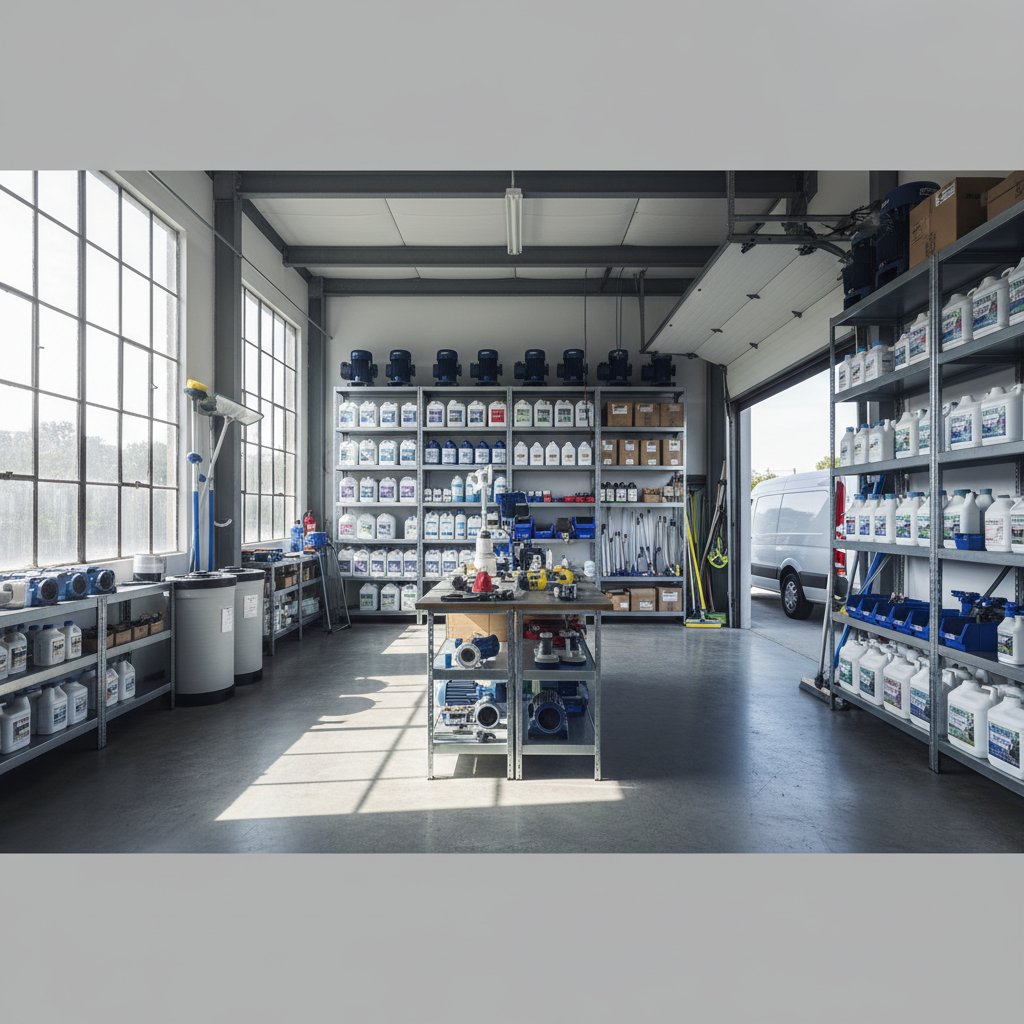
Find answers to common questions about pool maintenance costs, equipment, and services
The average annual cost of maintaining a private swimming pool typically ranges from $1,200 to $3,600, depending on pool size, type, and usage. This includes regular chemical treatments, electricity for pumps and filters, water costs, and routine cleaning supplies.
For a standard residential pool, expect to spend approximately $100 to $300 per month during the swimming season. Larger pools or those with heating systems will incur higher costs. Additional expenses may include equipment repairs, professional cleaning services, and seasonal opening and closing procedures.
Monthly chemical costs for a standard residential pool typically range from $50 to $150, depending on pool size and water conditions. Essential chemicals include chlorine or alternative sanitizers, pH balancers, alkalinity adjusters, and algaecides.
Chlorine tablets or liquid chlorine usually account for the largest portion of chemical expenses, costing $30 to $80 per month. pH balancers and shock treatments add another $20 to $40 monthly. During peak summer months or after heavy use, chemical consumption increases, potentially raising costs by 20-30%.
Pool pump electricity costs vary based on pump size, efficiency, and runtime. A standard single-speed pump running 8 hours daily typically costs $50 to $150 per month in electricity. Variable-speed pumps, while more expensive initially, can reduce energy costs by 50-75%.
A 1.5 horsepower single-speed pump uses approximately 1,500 watts per hour. At average electricity rates, this translates to $360 to $900 annually. Upgrading to an energy-efficient variable-speed pump can save $300 to $600 per year, making it a worthwhile investment for long-term pool ownership.
Pool equipment has varying lifespans depending on quality and maintenance. Pool pumps typically last 8-12 years, filters 5-15 years depending on type, and heaters 7-10 years. Regular maintenance can extend equipment life significantly.
Filter cartridges need replacement every 1-3 years, while sand in sand filters should be changed every 5-7 years. Pool covers last 3-7 years, and automatic cleaners typically function for 4-8 years. Budget for major equipment replacement costs of $500 to $2,000 every few years to avoid unexpected expenses.
Professional pool cleaning services cost $80 to $200 per month for weekly maintenance, which includes chemical balancing, skimming, vacuuming, and equipment checks. While this adds to overall costs, it saves time and ensures proper maintenance.
For busy homeowners or those unfamiliar with pool chemistry, professional service prevents costly mistakes and equipment damage. DIY maintenance requires 3-5 hours weekly and knowledge of water chemistry. Consider your time value, expertise level, and the potential cost of improper maintenance when deciding between professional service and self-maintenance.
Several factors significantly impact pool maintenance costs. Pool size is primary, with larger pools requiring more chemicals, longer pump runtime, and increased water costs. Location matters too, as areas with high debris, intense sunlight, or hard water increase chemical and cleaning needs.
Pool type affects costs, with saltwater systems requiring less chlorine but needing salt cell replacement every 3-7 years at $200-$700. Heated pools add $100-$400 monthly in energy costs. Heavy usage increases chemical consumption and cleaning frequency. Trees near the pool increase debris and cleaning time, while inadequate covers lead to higher chemical and water costs.
Professional pool opening services typically cost $150 to $300, including removing the cover, cleaning, starting equipment, and balancing chemicals. Closing services range from $150 to $250, covering winterizing chemicals, lowering water levels, and installing the winter cover.
DIY opening and closing can reduce costs to $50-$100 in supplies and chemicals, but requires knowledge and physical effort. The process involves draining lines, adding antifreeze in cold climates, and properly storing equipment. Many pool owners find professional service worthwhile for these critical seasonal transitions to prevent equipment damage and ensure proper winterization.
Water costs for pool maintenance include evaporation replacement, backwashing filters, and splash-out. An average pool loses 1-2 inches of water weekly to evaporation during summer, costing $30 to $80 monthly depending on local water rates and pool size.
Backwashing sand or DE filters uses 200-500 gallons per session, adding $10-$30 monthly if done weekly. In hot, dry climates, evaporation can double, significantly increasing water costs. Using a pool cover when not in use can reduce evaporation by 95%, saving $300-$600 annually in water costs while also reducing chemical consumption.
Several strategies effectively reduce pool maintenance costs. Installing a variable-speed pump saves 50-75% on electricity costs. Using a pool cover reduces evaporation, chemical consumption, and debris accumulation, saving $500-$1,000 annually. Regular maintenance prevents costly repairs and equipment replacement.
Buying chemicals in bulk during off-season sales can save 20-30%. Testing water regularly prevents overuse of chemicals. Maintaining proper water balance reduces equipment corrosion and extends lifespan. Running pumps during off-peak electricity hours lowers energy costs. Learning basic maintenance skills reduces reliance on professional services while ensuring proper pool care.
Traditional chlorine systems are least expensive initially but require ongoing chemical purchases of $40-$100 monthly. Saltwater systems cost $1,000-$2,500 to install but reduce chemical costs to $20-$40 monthly, with salt cell replacement every 3-7 years at $200-$700.
UV and ozone systems cost $500-$2,000 to install and reduce chlorine needs by 60-90%, saving on chemicals but requiring electricity. Mineral systems cost $200-$600 initially and reduce chlorine use by 50%, with cartridge replacement every 6 months at $50-$100. Each system has different maintenance requirements and long-term cost implications to consider.
Pool owners should budget for unexpected repairs and replacements. Pump motor failure costs $200-$800 to repair or replace. Leaks can cost $500-$5,000 to locate and fix depending on severity. Filter repairs range from $100-$600, while heater repairs cost $150-$800.
Severe weather can damage covers, requiring replacement at $200-$2,000. Algae blooms from neglected maintenance may require professional treatment costing $300-$800. Plumbing issues, tile repairs, and resurfacing are additional potential expenses. Setting aside $500-$1,000 annually for unexpected repairs helps manage these costs without financial stress.
Pool size directly impacts all maintenance costs. A small pool (10,000-15,000 gallons) costs $1,200-$2,000 annually to maintain, while large pools (30,000+ gallons) can cost $3,000-$5,000 yearly. Chemical usage, pump runtime, and water costs all scale with size.
Pool type also matters significantly. Above-ground pools are least expensive to maintain at $800-$1,500 annually. In-ground vinyl liner pools cost $1,500-$2,500 yearly. Concrete pools require the most maintenance at $2,000-$4,000 annually due to more frequent chemical balancing needs and eventual resurfacing. Fiberglass pools fall in the middle at $1,200-$2,000, requiring less chemical maintenance than concrete but more than vinyl.
We provide accurate information and professional guidance on swimming pool ownership, helping property owners understand the financial and practical aspects of pool maintenance.
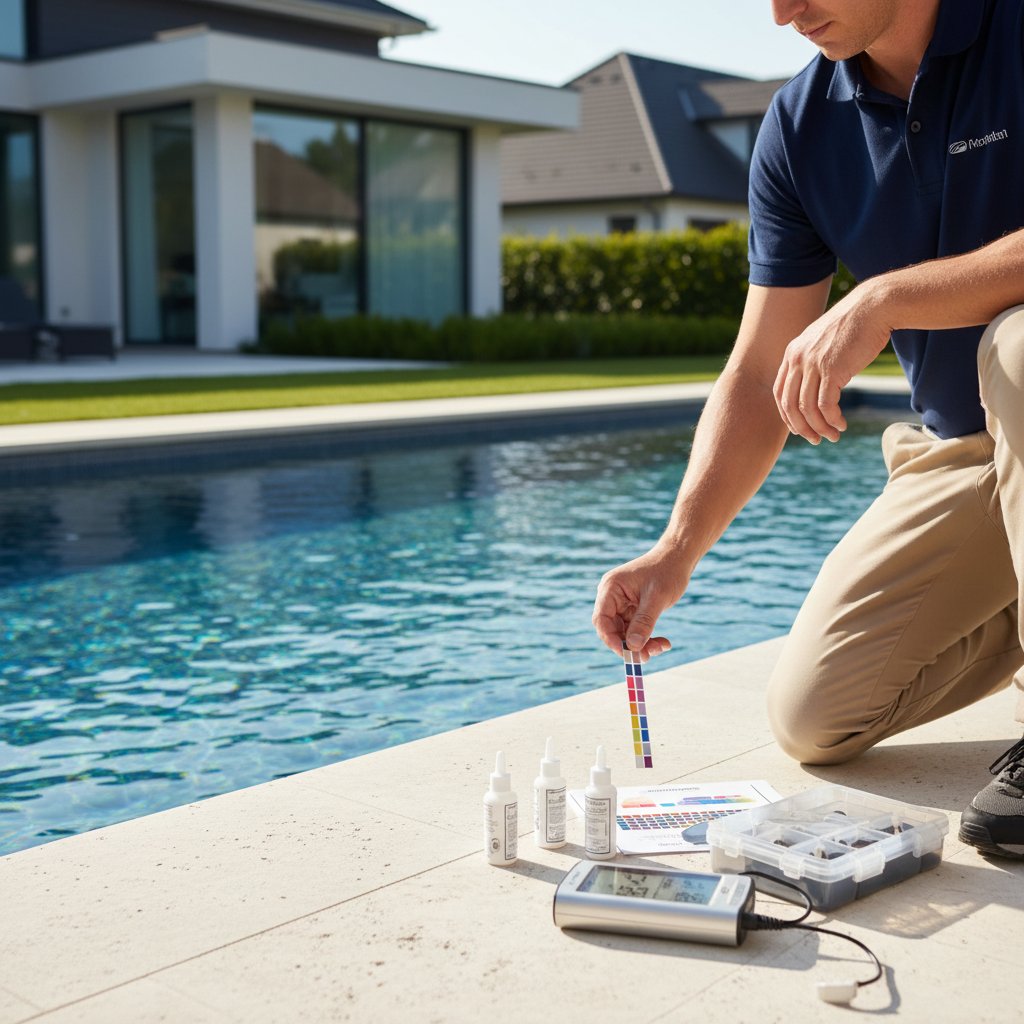
Urbannavigator was established in Singapore with a clear purpose: to provide honest, transparent information about private swimming pool ownership. We recognized that many property owners were making significant financial commitments without fully understanding the ongoing costs involved in pool maintenance.
Our team consists of industry professionals with over fifteen years of combined experience in pool maintenance, water treatment, and facility management. We have worked directly with residential pool owners, maintenance contractors, and equipment suppliers throughout Singapore and the region.
The decision to create Urbannavigator came from observing a consistent pattern: homeowners were surprised by the actual costs of maintaining their pools. Chemical requirements, pump operations, professional cleaning services, and equipment repairs often exceeded initial expectations. We decided to address this information gap by providing detailed, factual guidance based on real-world data and professional experience.
We aim to educate current and prospective pool owners about the realistic costs associated with private swimming pool maintenance. Our mission includes providing accurate pricing information, explaining technical requirements, and offering practical advice on cost management.
We work to ensure that individuals can make informed decisions about pool ownership by understanding the financial commitments involved in chemicals, equipment, energy consumption, and professional services.
We envision becoming the primary resource for swimming pool cost information in Singapore and the surrounding region. Our goal is to establish a comprehensive knowledge base that covers all aspects of pool maintenance expenses.
We plan to expand our services to include cost comparison tools, maintenance planning resources, and connections with qualified service providers who offer transparent pricing and reliable service.
Our team has evaluated hundreds of private pools, analyzed maintenance contracts, tested water treatment systems, and calculated operational costs across various pool sizes and types. We understand chlorine systems, saltwater pools, variable-speed pumps, automated cleaners, and the full range of maintenance equipment available in the market. This practical experience allows us to provide specific, actionable information rather than general advice.