The real cost of maintaining a private swimming pool: Chemicals, pumps, and cleaning services best practices
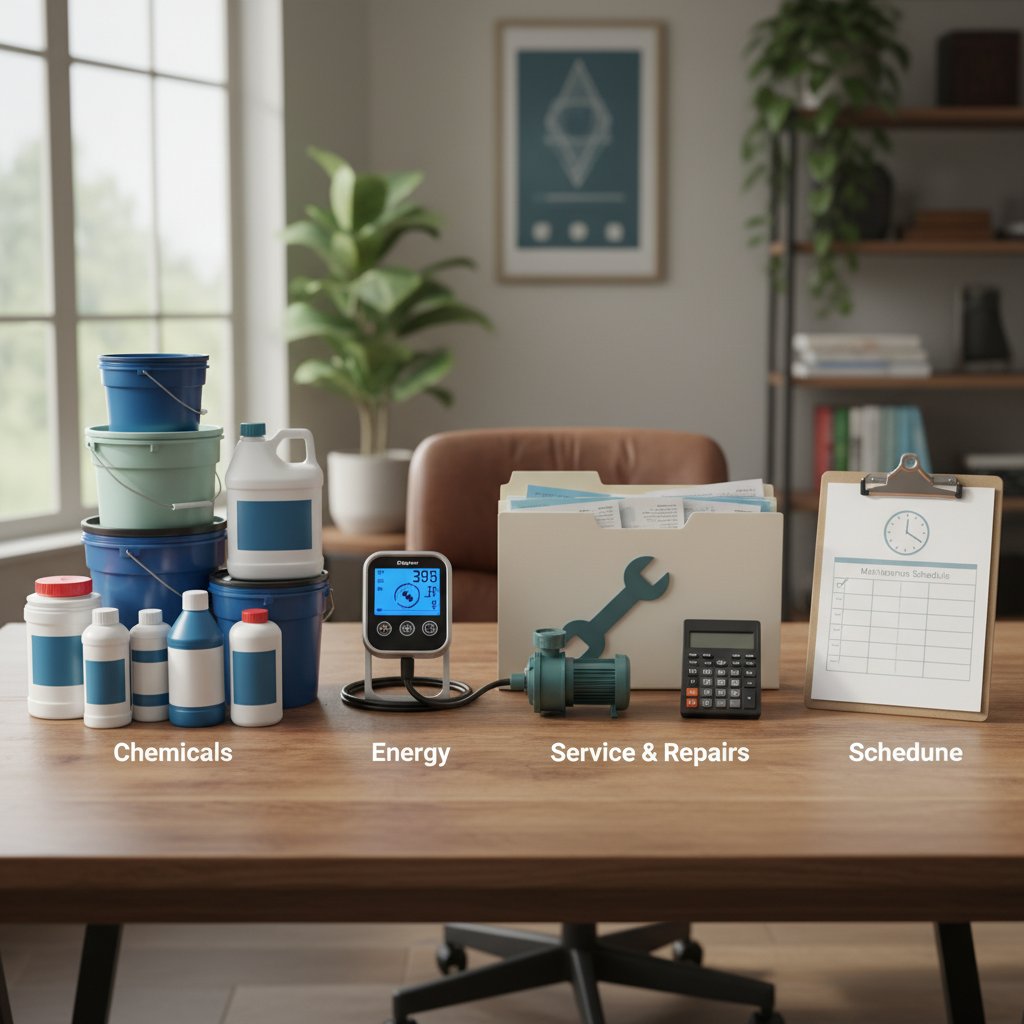
The Real Cost of Maintaining a Private Swimming Pool: Chemicals, Pumps, and Cleaning Services
Owning a private swimming pool is a dream for many homeowners, offering endless summer fun and a luxurious backyard retreat. However, the initial investment in pool installation is just the beginning. Understanding the ongoing maintenance costs is crucial for anyone considering pool ownership or looking to optimize their current pool expenses.
Breaking Down the Annual Costs
The average private swimming pool costs between $1,200 and $1,800 annually to maintain, though this figure can vary significantly based on pool size, location, and usage patterns. Let's examine the major expense categories that contribute to this total.
Chemical Costs: The Foundation of Pool Health
Proper chemical balance is non-negotiable for safe, clean swimming water. Annual chemical costs typically range from $300 to $800, depending on pool size and environmental factors.
Essential Chemicals Include:
- Chlorine: The primary sanitizer, costing $150-$400 annually. Tablets, liquid, or salt systems each have different price points.
- pH Balancers: Muriatic acid and soda ash keep water chemistry stable, running $60-$100 per year.
- Alkalinity Adjusters: Sodium bicarbonate prevents pH fluctuations, approximately $40-$70 annually.
- Shock Treatment: Weekly or bi-weekly shocking costs $50-$100 per season.
- Algaecides and Clarifiers: Preventive treatments add another $50-$130 yearly.
Pump and Equipment Costs
Your pool pump is the heart of the circulation system, and it's also one of the largest energy consumers in your home.
Electricity costs for running a pool pump average $300-$800 annually, depending on your pump type and local utility rates. A standard single-speed pump running 8 hours daily can cost $50-$70 monthly during swimming season. Variable-speed pumps, while more expensive upfront ($800-$1,500), can reduce electricity costs by 50-75%, paying for themselves within 2-3 years.
Equipment maintenance and replacement adds another $200-$500 annually. Pumps typically last 8-12 years, filters need replacement every 3-5 years, and heating systems require regular servicing. Setting aside funds for these inevitable replacements prevents financial surprises.
Professional Cleaning Services vs. DIY Maintenance
One of the biggest decisions pool owners face is whether to handle maintenance themselves or hire professionals.
Professional Pool Service
Weekly professional maintenance typically costs $80-$150 per month ($960-$1,800 annually), which usually includes:
- Chemical testing and balancing
- Skimming and vacuuming
- Filter cleaning
- Equipment inspection
- Chemical supply (often included)
The advantages are clear: consistent maintenance, professional expertise, and time savings. For busy families or those uncomfortable with pool chemistry, this investment often proves worthwhile.
DIY Maintenance
Self-maintenance can reduce costs to $500-$1,000 annually, but requires significant time investment—approximately 3-5 hours weekly during swimming season. You'll need to purchase:
- Testing kit ($30-$100)
- Skimmer and vacuum equipment ($100-$300 one-time)
- Chemicals (as detailed above)
- Brushes and cleaning tools ($50-$100)
Best Practices for Cost-Effective Pool Maintenance
1. Invest in a Pool Cover
A quality pool cover ($200-$600) reduces chemical usage by 50%, minimizes debris, and can cut heating costs by 70%. This single investment pays for itself within one season.
2. Upgrade to Energy-Efficient Equipment
Variable-speed pumps and LED lighting dramatically reduce electricity consumption. Consider solar heating options in sunny climates to eliminate heating costs entirely.
3. Maintain Consistent Chemical Balance
Regular testing and small adjustments prevent major problems. Letting chemistry slip leads to expensive shock treatments, algae removal, and potential equipment damage.
4. Clean Filters Regularly
A clean filter improves circulation efficiency, reducing pump runtime and electricity costs. Backwash or clean filters every 2-4 weeks during peak season.
5. Monitor Water Level
Proper water level ensures optimal pump performance and prevents equipment damage. Too low strains the pump; too high reduces skimmer effectiveness.
6. Winterize Properly
In cold climates, proper winterization ($100-300 if professional) prevents thousands in freeze damage repairs. Even in warm climates, reducing maintenance during off-season saves money.
Hidden Costs to Consider
Beyond routine maintenance, budget for:
- Water and sewer costs: $40-$100 annually for evaporation replacement
- Repairs: $200-$500 annually for unexpected issues
- Insurance increases: $50-$100 additional premium annually
- Increased property taxes: Varies by location
The Bottom Line
While maintaining a private pool requires ongoing investment, understanding these costs allows for better budgeting and smarter decisions. Whether you choose professional service or DIY maintenance, following best practices ensures your pool remains a source of enjoyment rather than financial stress. The key is consistent care—small, regular investments prevent large, unexpected expenses and extend the life of your pool and equipment.
By implementing energy-efficient equipment, maintaining proper chemistry, and choosing the maintenance approach that fits your lifestyle and budget, you can keep your pool sparkling while controlling costs effectively.